licensed specialists providing Bed Bug Exterminator Charlotte
Professional Bed Bug Elimination:Sleep Soundly Again
Professional bed bug control is crucial for those battling infestations. These pests can prevent rest and produce major stress. Trained technicians employ state-of-the-art methods to find and destroy these unwanted visitors with precision. Learning about the indicators of bed bugs and the treatment process is critical. Many seek the optimal methods to assure permanent results. What are the procedures needed in reclaiming a calm home? The answers may astonish you.
Key Facts About Bed Bugs
Although regularly ignored, bed bugs are a widespread problem that affects many households. These small, reddish-brown insects feed on human blood, typically at night, rendering them particularly active while people sleep. Adult bed bugs are about the size of an apple seed, and they reproduce quickly, with a female able to produce hundreds of eggs in her lifetime.
Bed bugs readily attach themselves on fabrics, luggage, and household goods, supporting their transmission across various locations. They are not reported to transmit diseases, but their bites can lead to itching, discomfort, and secondary infections.
A frequent misconception is that bed bugs flourish in dirty environments; however, they can infest even the most immaculate of homes. Recognizing their toughness, they can survive for months without consuming food, making difficult eradication efforts. Understanding these key facts is vital for productive control and treatment strategies.
Signs You May Have Bed Bugs?
Detecting a bed bug infestation early can avoid further transmission and unease. Common signs include marks on the skin, often appearing in a series or cluster, typically around the limbs, shoulders, or legs. These bites may cause irritation and inflammation, leading individuals to suspect an problem. Additionally, the presence of small blood stains on bedding or mattress seams can reveal that bed bugs have been consuming.
Another noticeable sign is the appearance of dark spots, which are fecal matter left behind by the bed bugs. These spots can often be found on sheets, walls, or furniture. Furthermore, a pungent odor may emanate from infested areas, caused by the bed bugs' scent glands. Finally, the sighting of actual bed bugs, which are small, reddish-brown, and roughly the size of an apple seed, is a definitive indicator of an infestation. Early detection is key for effective management.
How to Handle Bedbugs Effectively
Eliminating bed bugs effectively calls for a systematic plan to eradicate the pests and hinder their reappearance. The first step involves meticulous inspection of the affected areas, covering mattresses, furniture, and cracks in walls. Once identified, infested items should be laundered in hot water or positioned in a dryer on high heat to exterminate bugs and eggs.
Next, thoroughly vacuuming the space will remove many apparent bed bugs. Discard the vacuum bag right away to avoid re-infestation. Following this, using insecticides formulated specifically for bed bugs is vital; however, you must be careful to adhere to label instructions.
Sealing gaps and fissures can reduce hiding spots, while encasements for mattresses will stop subsequent invasions. Regular monitoring and maintenance are essential to ensure that any remaining bugs are caught early. This preventative strategy greatly improves the chances of attaining a pest-free environment.
Why You Need to Contact the Professionals for Bed Bugs
After putting into action primary control methods for bed bugs, many homeowners may still find themselves struggling with persistent infestations. This often occurs due to the insect's resilience and ability to hide in difficult-to-access locations. While DIY methods can offer temporary relief, they frequently fall short of complete eradication.
Calling in experienced pest management specialists is essential for several reasons. First, trained technicians possess expert understanding about bed bug behavior and biology, enabling them to devise effective treatment plans customized for particular circumstances. Additionally, professionals utilize advanced tools and techniques that are often inaccessible to the average homeowner, guaranteeing a more thorough elimination process.
In addition, professionals can identify and address primary factors contributing to the infestation, such as cracks and crevices in walls or furniture. Conclusively, enlisting professional help not only guarantees complete eradication but also affords peace of mind, allowing homeowners to reclaim their living spaces and sleep soundly again.
What Should You Expect From Specialized Treatment?
When utilizing professional bed bug treatment, the initial inspection process is vital for assessing the magnitude of the outbreak. Following this inspection, technicians typically outline the essential follow-up interventions to ensure complete eradication. Understanding these stages can help customers feel more informed and prepared throughout the experience.
Initial Inspection Process
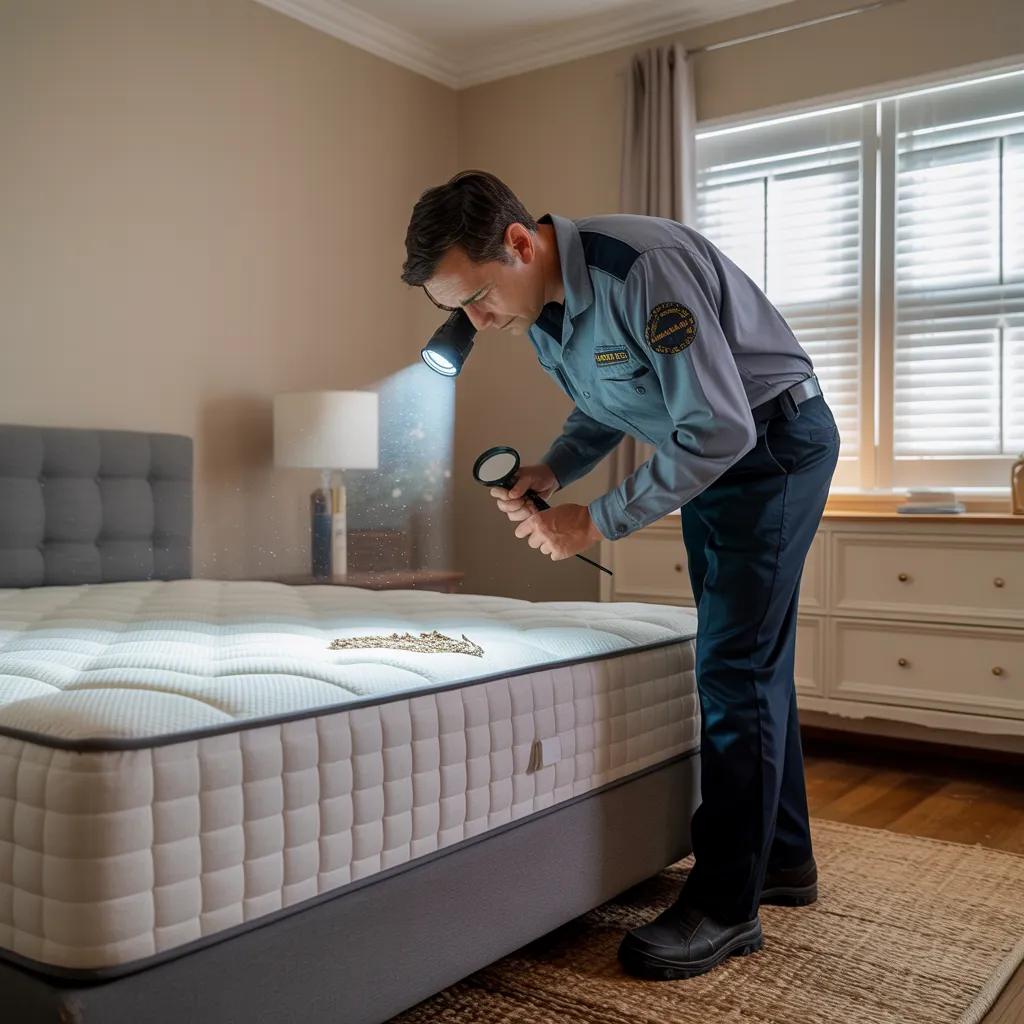
The initial review process is a vital step in professional bed bug treatment, paving the way for an reliable eradication plan. During this step, a trained technician performs a comprehensive examination of the infested area, looking for signs of bed bugs, including fecal spots, shed skins, and live insects. They generally focus on frequent hiding spots, including mattresses, box springs, and furniture seams. The technician may also inquire about the homeowner's observations, such as bite patterns and travel history, to determine the extent of the infestation. This careful inspection permits a tailored treatment approach, ensuring all affected areas are covered and improving the likelihood of successful bed bug removal.
Ongoing Therapies Broken Down
Although the opening intervention is crucial for removing bed bugs, repeat applications play an equally important role in ensuring complete elimination. After the first treatment, technicians typically plan subsequent treatments within 14 to 28 days. This window allows any remaining eggs to emerge, permitting a detailed evaluation of the problem. During these visits, technicians assess the premises, using targeted treatments if necessary. They may also deliver guidance for preventative measures to minimize recurring problems. Clients can look forward to thorough documentation on the performance of the service and any additional steps required. Ongoing subsequent treatments not only verify the nonexistence of bed bugs but also support the treatment's success, making certain that clients can enjoy a calm, pest-free setting.
Leading Methods to Avoid Bed Bug Outbreaks
To successfully stop bed bug invasions, people should adopt a series of proactive measures. Regular vacuuming practices, closing gaps and openings, and inspecting secondhand items are essential steps in reducing risk. Applying these tactics can considerably reduce the probability of an infestation occurring.
Consistent vacuum methods
Consistent cleaning with a vacuum acts as a fundamental safeguard against bed bug infestations. By consistently vacuuming areas where bed bugs tend to hide themselves—such as bedrooms, living rooms, and upholstery—people can substantially reduce the chances of an infestation. Attending to seams of mattresses, box springs, and carpets helps with removing not only adult bed bugs but also eggs and larvae. Using a vacuum equipped with a HEPA filter enhances performance by capturing tiny particles that may slip through standard filters. It is important to promptly clear the vacuum bag or canister in the yard to prevent any trapped pests from getting back into the home. Regular cleaning with a vacuum, when combined with other protective measures, creates a strong method in the relentless battle against these resilient pests.
Seal Fractures And Gaps
Sealing gaps and openings is an essential step in avoiding bed bug infestations. These pests can easily hide in the smallest openings, making it critical to eliminate potential harborage sites. Homeowners should examine baseboards, window frames, and doorways for gaps and use sealant materials to close these entry points. Additionally, it is recommended to check around electrical outlets, plumbing fixtures, and other wall penetrations. Proper sealing not only decreases the likelihood of bed bugs entering the home but also aids in the efficacy of pest control measures. Regular maintenance of seals is required to guarantee long-term protection. By taking these proactive steps, individuals can appreciably lower the risk of a bed bug infestation.
Inspect Vintage Stock
Examining used items is crucial for avoiding bed bug invasions. When obtaining used furniture, clothing, or appliances, individuals should perform comprehensive inspections. Bed bugs often hide in seams, cracks, and upholstery, making it important to examine these spaces thoroughly. Utilizing a flashlight can help brighten dark areas where bed bugs might be lurking. Additionally, people should look for indicators of infestation, such as small brown spots or shed exoskeletons. If possible, products should be cleaned or exposed to high temperatures before bringing them into the home. Notifying sellers about any prior pest issues can also provide valuable information. By implementing these precautions, individuals can greatly reduce the risk of introducing bed bugs into their homes.

Instructions for Achieving Sound Sleep After Bed Bug Treatment
How might one truly relax after a bed bug treatment? To realize a peaceful night's sleep after treatment, it is vital to comply with specific guidelines. First, ensuring that the treated area is clean and free from any lingering pests greatly helps. This can be done by using a vacuum cleaner on the space and removing any clutter that might harbor bugs.
Next, establishing a relaxing evening routine can lessen anxiety. Activities such as perusing literature or reflecting can support relaxation and turn attention away from worries about bed bugs. Additionally, putting protective encasements on mattresses and pillows not only access now hinders re-infestation but also solidifies the sense of security.
Finally, preserving a cozy sleep environment—adjusting ambient warmth and ensuring proper ventilation—can further contribute to restful sleep. By taking these measures, one can effectively alleviate worries and experience a deep rest after bed bug treatment, recovering the sanctuary of their home.
Most Frequently Asked Questions
Do Bed Bugs Have the Ability to Persist Without a Blood Meal?
Bed bugs are able to subsist on no a blood meal for several months, depending on environmental conditions. They enter a state of lethargy, allowing them to tolerate extended periods without feeding before resuming their activity when food becomes available.
What timespan Can Bed Bugs survive Without feeding?
Bed bugs manage to survive without feeding for several months, typically ranging from two to six months, based on the environmental conditions present. In cooler temperatures, their metabolic function diminishes, enabling them to persist through longer intervals without blood feeding.
Are Bed Bugs Harmful to Pets?
Bed bugs are not known to damage pets directly, but they can create distress and discomfort. Pets may experience irritated skin from bites, leading to worry, agitation, or constant scratching as they react to infestations.
May I Obtain Bed Bugs From Public Settings?
Yes, bed bugs can be obtained from public places. They often cling to clothing, bags, or personal items, enabling them to travel home. Awareness and preventive measures are crucial to prevent infestations.
Do Bed Bugs Have Any Natural Predators?
Certainly, bed bugs have natural predators, including specific varieties of spiders, ants, and cockroaches. However, these predators generally do not manage bed bug populations efficiently, allowing bed bugs to flourish in various environments.